

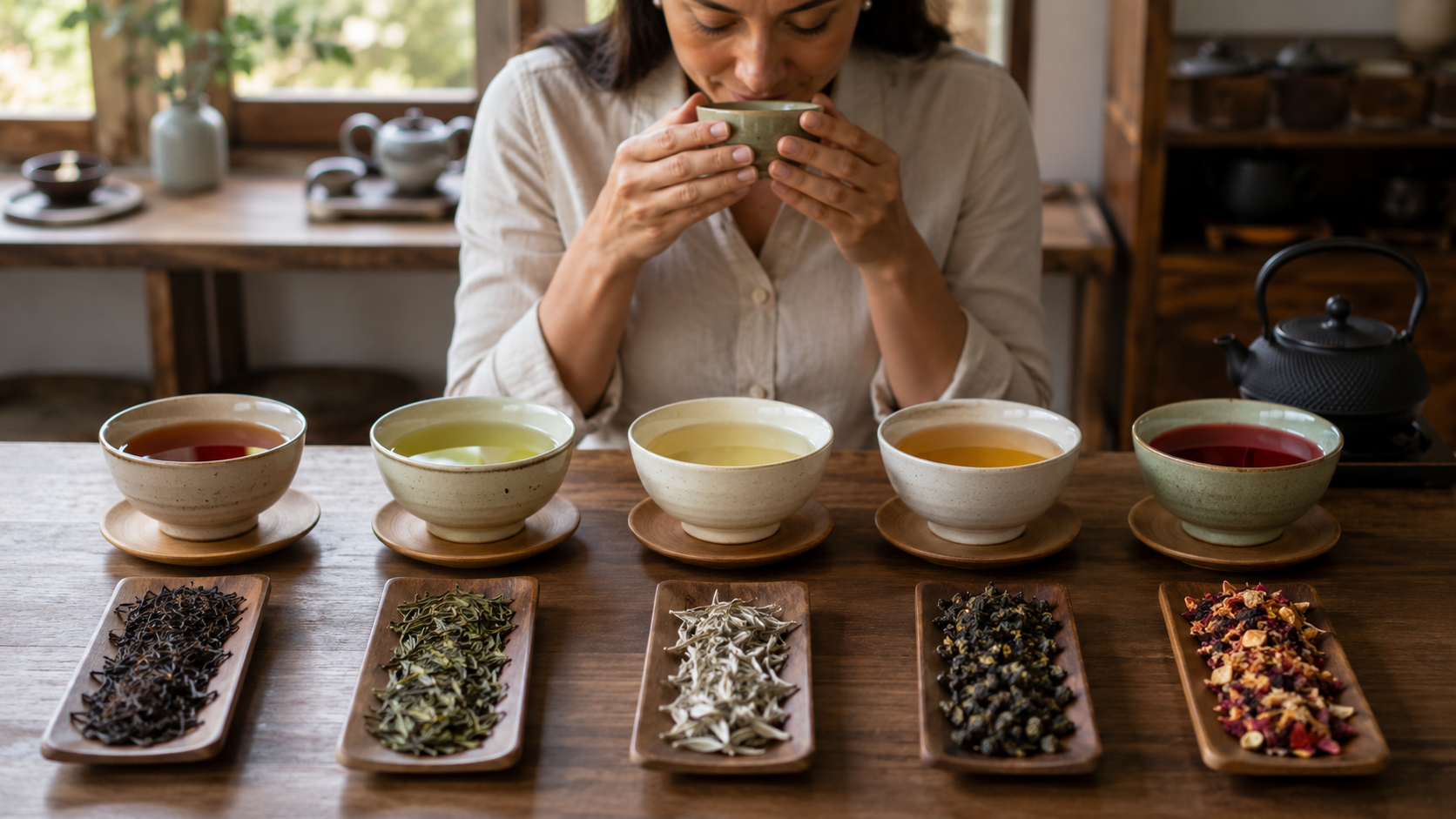
Tea is one of the most popular beverages in the world. People enjoy it for its flavor, aroma, and potential health benefits. However, many consumers still ask an important question: does tea have caffeine?
The answer is yes, most traditional teas contain caffeine. However, the amount can vary significantly depending on the type of tea, brewing method, and serving size.
In this guide, we will explore caffeine levels in different teas, compare tea to coffee, and explain how caffeine affects the body.
Does Tea Have Caffeine?
Yes, tea contains caffeine in most cases.
Traditional teas come from the Camellia sinensis plant. Because this plant naturally contains caffeine, beverages made from its leaves usually provide some level of stimulation.
However, caffeine levels are often lower than those found in coffee.
As a result, many people choose tea when they want a gentler energy boost throughout the day.
Why Does Tea Contain Caffeine?
Caffeine occurs naturally in tea plants.
The compound helps protect the plant from insects and environmental stress. Consequently, tea leaves naturally develop caffeine during growth.
When hot water extracts compounds from the leaves, caffeine becomes part of the finished beverage.
Although all traditional teas originate from the same plant, processing methods create different varieties with varying caffeine levels.
Types of Tea and Their Caffeine Content
Different teas contain different amounts of caffeine.
Black Tea
Black tea generally contains the highest caffeine content among traditional teas.
An average cup may contain:
- 40 to 70 mg of caffeine
Because black tea is fully oxidized, it often delivers a stronger flavor and a more noticeable energy boost.
Green Tea
Green tea usually contains less caffeine than black tea.
A typical serving may provide:
- 20 to 45 mg of caffeine
Furthermore, green tea contains L-theanine, an amino acid that may promote a calm and focused feeling.
White Tea
White tea is made from young tea leaves and buds.
Most cups contain:
- 15 to 40 mg of caffeine
As a result, white tea is often considered a lighter alternative for people seeking lower caffeine intake.
Oolong Tea
Oolong tea falls somewhere between green and black tea.
Typical caffeine content ranges from:
- 30 to 50 mg per cup
Because processing methods vary, caffeine levels can differ between varieties.
Do Herbal Teas Have Caffeine?
Most herbal teas are naturally caffeine-free.
Unlike traditional teas, herbal infusions are made from ingredients such as:
- Chamomile
- Peppermint
- Ginger
- Hibiscus
- Rooibos
Since these beverages do not come from the tea plant, they generally contain no caffeine.
Therefore, herbal tea is a popular option for evening consumption.
Does Tea Have Caffeine Compared to Coffee?
Many people compare tea and coffee when choosing a beverage.
Coffee typically contains:
- 95 to 150 mg of caffeine per cup
Meanwhile, most teas contain:
- 15 to 70 mg per cup
Consequently, coffee usually provides more caffeine than tea.
However, tea often delivers a smoother experience because caffeine levels are lower and absorption may feel less intense.
What Factors Affect Caffeine in Tea?
Several factors influence caffeine content.
Tea Variety
Different tea types naturally contain different amounts of caffeine.
Brewing Time
Longer brewing times often extract more caffeine.
Water Temperature
Hotter water can increase caffeine extraction.
Serving Size
Larger servings generally contain more caffeine.
Because of these variables, caffeine levels can vary even within the same tea category.
Benefits of Tea Caffeine
Moderate caffeine consumption may provide several benefits.
These may include:
- Improved focus
- Better alertness
- Increased concentration
- Enhanced productivity
- Reduced fatigue
Furthermore, tea contains antioxidants that may support overall wellness.
For this reason, many people view tea as a balanced source of caffeine.
Can You Drink Tea at Night?
The answer depends on your caffeine sensitivity.
Some individuals can drink tea in the evening without experiencing sleep problems.
Others may find that caffeine interferes with sleep quality.
If you are sensitive to caffeine, consider:
- Herbal tea
- Decaffeinated tea
- Rooibos tea
These options can provide a relaxing beverage without stimulating effects.
Is Decaf Tea Completely Caffeine-Free?
Decaffeinated tea contains significantly less caffeine than regular tea.
However, it may still contain small amounts.
Most decaf varieties contain:
- 2 to 5 mg of caffeine per cup
Therefore, decaf tea is not always completely caffeine-free.
Nevertheless, it remains a good option for people trying to reduce caffeine intake.
Who Should Monitor Tea Caffeine Intake?
Most healthy adults can safely consume moderate amounts of caffeine.
However, some individuals may need to be more cautious.
Examples include:
- Pregnant women
- People with caffeine sensitivity
- Individuals with certain heart conditions
- People experiencing sleep difficulties
In these situations, consulting a healthcare professional may be beneficial.
Tips for Managing Caffeine Consumption
If you want to control caffeine intake, several strategies can help.
Choose Lower-Caffeine Teas
White tea and some green teas often contain less caffeine.
Reduce Brewing Time
Shorter brewing times may decrease caffeine extraction.
Switch to Herbal Tea
Herbal options are naturally caffeine-free.
Avoid Late-Day Caffeine
Limiting caffeine later in the day may improve sleep quality.
Following these habits can help maintain a comfortable caffeine intake level.
Frequently Asked Questions
Does Tea Have Caffeine Naturally?
Yes. Traditional teas naturally contain caffeine because they come from the Camellia sinensis plant.
Which Tea Has the Most Caffeine?
Black tea generally contains the highest caffeine content among common tea varieties.
Does Green Tea Have Caffeine?
Yes. Green tea contains caffeine, although typically less than black tea.
Is Tea Better Than Coffee for Caffeine?
Neither option is necessarily better. The best choice depends on personal preferences and caffeine tolerance.
National Coffee Association